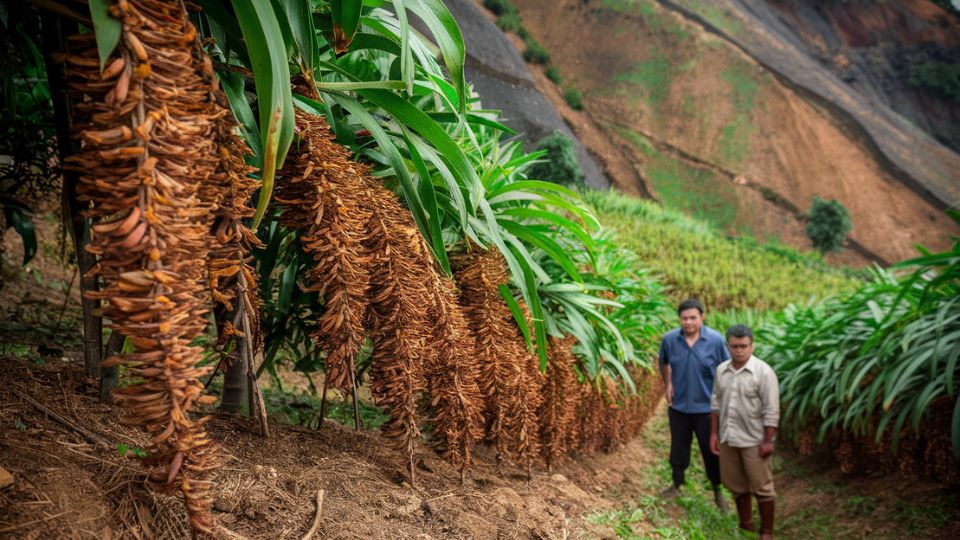
Why “Farm to Global Market” Matters in the Spice Trade
In the global spice industry, quality is built long before a product reaches the warehouse or production line. It starts at the farm, where climate, soil, and farming practices shape the spice’s aroma and flavor. It continues through harvesting and post-harvest handling, where drying and cleanliness determine shelf life and export readiness. For international buyers, this journey matters because the smallest mistakes can create big differences in consistency, safety, and performance.
Indonesian spices are widely respected for their bold character and authentic origin, but maintaining that value requires disciplined processing. Understanding how Indonesian spices are grown and processed helps importers make better sourcing decisions and choose partners that can deliver reliable results across repeat shipments.
Step 1: Cultivation in Indonesia’s Natural Growing Conditions
Indonesia’s tropical climate, warm temperatures, seasonal rainfall, and fertile soil provide strong conditions for spice cultivation. Many spices are grown by smallholder farmers who have long-standing knowledge of local crops, supported by regional harvesting traditions.
-
Climate advantage: consistent warmth and humidity support healthy spice growth.
-
Regional diversity: different islands and regions produce distinctive spice characteristics.
-
Traditional expertise: many communities rely on generational farming knowledge to maintain crop quality.
Step 2: Harvesting at the Right Time for Best Aroma and Quality
Harvest timing is one of the most important factors in spice quality. Harvesting too early can reduce aroma and essential oil content, while harvesting too late can affect color, flavor, and storage stability. Each spice has specific harvest indicators that experienced farmers follow closely.
-
Cloves: harvested when buds reach optimal maturity before opening.
-
Nutmeg and mace: collected when fruit is mature and the seed and aril are ready for separation.
-
Pepper: harvested at different ripeness levels depending on black or white pepper processing.
-
Cinnamon: harvested from bark at proper age and season for best aroma and handling quality.
The best export-quality spices begin with disciplined harvesting, because maturity directly influences aroma, flavor strength, and how well the product performs after long-distance shipping.
Step 3: Drying and Moisture Control
After harvest, drying is essential to preserve the spice and prepare it for storage and shipment. Proper drying helps stabilize aroma, prevent mold risk, and extend shelf life. Moisture control is especially important for international buyers because shipping involves long transit times and varying environmental conditions.
-
Purpose of drying: reduce moisture to support safe storage and maintain quality during transport.
-
Impact on aroma: controlled drying helps protect essential oils and flavor compounds.
-
Impact on shelf life: well-dried spices stay stable longer and reduce the risk of spoilage.
Step 4: Cleaning, Sorting, and Grading
Cleaning and sorting are key steps that separate export-grade spices from lower-grade material. These processes help remove foreign matter, improve uniformity, and ensure the product meets buyer specifications. For B2B customers, consistent grading is essential because it affects product performance in manufacturing and retail packaging.
-
Cleaning: removing dust, stems, shells, or other foreign materials to improve product integrity.
-
Sorting: separating by size, maturity, and quality for more consistent shipments.
-
Grading: aligning product categories to common trade requirements and buyer specifications.
Step 5: Processing Forms for Different Buyer Needs
Indonesian spices are shipped in various forms depending on buyer requirements. Some buyers prefer whole spices to retain maximum aroma, while others purchase cut, crushed, or powdered forms for manufacturing efficiency. Each form requires careful handling to protect quality and reduce contamination risk.
-
Whole spices: often preferred for long shelf life and strong aroma retention.
-
Cut or crushed: used for faster infusion and convenient food processing applications.
-
Powder: ideal for manufacturing and consumer-ready products, requiring strict handling and packaging for stability.
Step 6: Packaging for Export and Long-Distance Shipping
Export packaging protects spices from moisture, odor contamination, and physical damage during shipment. Good packaging also supports easier warehouse handling and consistent presentation for buyers. The right packaging approach depends on the destination market and the spice form.
-
Moisture protection: helps maintain quality through changing climates and long transit periods.
-
Safe and secure packing: reduces damage and helps preserve product integrity.
-
Buyer-aligned formats: bulk export packaging options to match importer and distributor workflows.
Step 7: Export Execution and Trade Documentation
Even with excellent product quality, export success depends on proper coordination of logistics and accurate documentation. International shipments require professional communication, careful scheduling, and alignment with trade processes. This is where experienced export partners bring major value to buyers.
An exporter who understands timelines, shipping methods, and documentation requirements helps reduce delays and improves reliability across repeat orders.
How Indonesia Spices & Seafoods Supports the Full Supply Journey
Indonesia Spices & Seafoods is a global trading company exporting premium Indonesian spices and seafoods worldwide. With over a decade of export-import experience, the company combines local expertise and global reach to deliver authentic, high-quality spices and seafoods from Indonesia to international markets.
For global buyers, this means a sourcing partner that understands the full path from farm to international shipment. Consistency and export readiness are built through attention to harvesting, processing, cleaning, grading, packaging, and professional trade execution.
Conclusion: Quality Is a Process, Not a Promise
The journey of Indonesian spices from farm to global market involves multiple steps that directly affect quality: cultivation, correct harvesting, controlled drying, thorough cleaning and grading, appropriate processing forms, strong packaging, and reliable export execution. When each stage is handled carefully, buyers receive spices that deliver authentic aroma, stable shelf life, and consistent performance.
If you are sourcing premium Indonesian spices and seafoods for international markets, Indonesia Spices & Seafoods is ready to support your business with local expertise, global reach, and export-import experience built over more than a decade.